Sensor Evidence in Pollution Complaints: Building a Defensible Record with Low-Cost Monitors
Why low-cost sensors are entering more complaint files
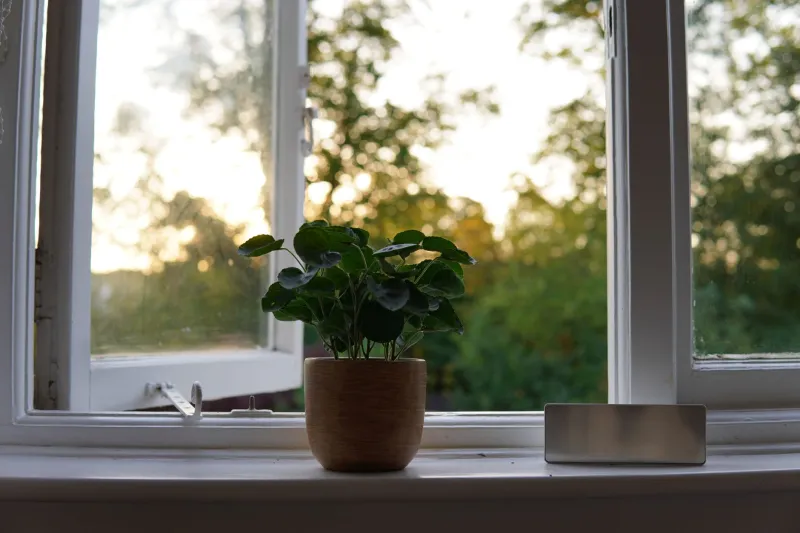
Air-quality monitors that cost between roughly £30 and £300 are now common in UK homes. They typically measure particulate matter such as PM2.5 and PM10, and some also estimate nitrogen dioxide. For residents concerned about traffic fumes, industrial emissions or smoke from a neighbouring property, a garden or windowsill monitor can seem like an obvious way to gather proof.
The important point is that a low-cost sensor is not a regulatory monitor. It can help to build a picture of when pollution rises and how often, but it will not usually prove that a particular source caused a specific reading. Used carefully, however, it can support a diary of incidents and provide useful context alongside council and DEFRA monitoring data.
What a low-cost device can and cannot establish
A domestic monitor can record changes over time. If readings regularly spike during the school run, while a nearby factory is operating, or when a neighbour lights a wood burner, that pattern may be relevant. Time-stamped data can also corroborate a written log of odour, smoke or dust.
It cannot, on its own, establish that a source is operating unlawfully or that pollution exceeds a legal limit. Low-cost sensors are affected by humidity, temperature and calibration drift. They may over- or under-read compared with reference-grade equipment. Some devices estimate rather than measure certain pollutants. A reading from a single garden monitor is therefore unlikely to be treated as definitive proof of exposure or harm.
Building a credible evidence trail
Start with the device itself. Record the make, model and serial number, along with the firmware version and the date of any calibration. Note where the monitor is placed, including height, distance from the road or suspected source, and whether it is sheltered or exposed. Take time-stamped photographs of the installation.
Keep the raw data. Export readings as a spreadsheet or CSV file rather than relying on screenshots. Do not edit or tidy the figures. If the device produces a graph, retain the underlying data as well. A simple maintenance log showing cleaning, filter changes and calibration checks will help to show that the equipment was used consistently.
Pair sensor readings with a written incident diary. Record the date, time, duration, weather conditions and any relevant activity, such as a delivery lorry idling or a bonfire being lit. Note any odour, smoke, dust or noise. If others witnessed the same event, keep their contact details. This combination is usually more persuasive than sensor data alone.
Cross-referencing official data
DEFRA publishes data from the Automatic Urban and Rural Network, and many councils operate their own diffusion tubes or continuous monitors. Check whether there is an official monitor near you. If so, compare its readings with your own over the same period. A similar pattern may strengthen your account, while a clear divergence may indicate that your device needs checking or that local conditions differ.
Council environmental health teams may also have records of complaints, inspections or monitoring in the area. When you make a complaint, ask for a reference number and keep a note of who you spoke to. If the matter later becomes a formal dispute, a documented history of contact will help.
How sensor evidence fits into a statutory nuisance complaint
Under the Environmental Protection Act 1990, local authorities have a duty to investigate complaints about statutory nuisance. Pollution from premises can amount to a nuisance where it is unreasonable and substantially interferes with the use or enjoyment of a home. Evidence of frequency, duration and intensity is central.
Sensor data can support that evidence, but it does not replace the council's own assessment. Environmental health officers will consider the nature of the source, local conditions and the effect on residents. A monitor that shows repeated evening spikes when a neighbour burns wood may be helpful context, but the officer will still need to investigate the smell, smoke and frequency of use.
When a compensation claim becomes realistic
Compensation claims in this area are rarely straightforward. A civil claim might be framed in nuisance or negligence. To succeed, a claimant generally needs to show a legal wrong, measurable loss and a causal link. Loss might include property damage, reasonable mitigation costs or loss of amenity. Health effects are harder to prove and usually require medical evidence.
Sensor readings can form part of the background, but courts tend to expect expert evidence on exposure and causation where significant sums are claimed. Lower-value disputes may be suitable for the small claims track, but the cost of expert reports can quickly outweigh the value of the claim. Limitation periods also apply, so anyone considering legal action should seek advice promptly.
A practical approach is to treat the sensor as one piece of a wider record. Combine it with dated photographs, a detailed diary, council correspondence and, where possible, official monitoring data. That gives a clearer and more defensible account of what happened, without overstating what a domestic device can prove.
A short checklist for 2026
- Keep the original packaging, manual and calibration certificate.
- Log the monitor's location and any changes to it.
- Export raw data regularly and back it up.
- Record incidents in a diary as soon as possible.
- Compare readings with official DEFRA or council monitors where available.
- Keep copies of all complaints and council reference numbers.
- Seek legal advice before issuing a claim, particularly if health effects are alleged.