Construction Dust, Odour and Noise: When Can UK Residents Claim Compensation?
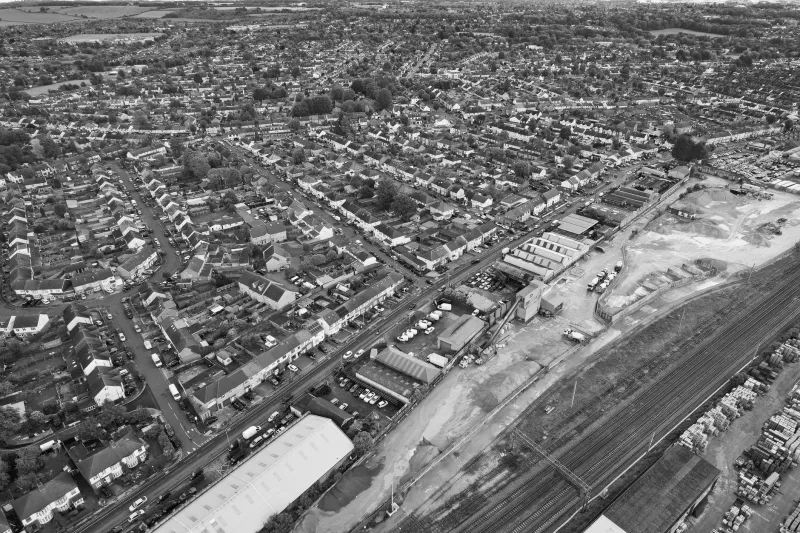
Construction and demolition can bring months of dust, odour and noise to a residential street. Some disruption is inevitable, but there is a point at which the activity becomes more than an inconvenience. English and Welsh law recognises statutory nuisance under the Environmental Protection Act 1990, and local authorities have a duty to investigate complaints. For residents considering compensation, the key is to understand what must be proved, how evidence is gathered and where nuisance claims end and personal injury claims begin.
What statutory nuisance means
Statutory nuisance is a legal category rather than a general complaint about unpleasant conditions. Under section 79 of the Environmental Protection Act 1990, dust, fumes, gases, smoke, odour, noise and deposits can be statutory nuisances if they are prejudicial to health or a nuisance. The test is not whether a resident finds the activity annoying. It is whether the interference is substantial and unreasonable in the circumstances.
Construction sites are a common source of complaints because they can produce all three problems at once: fine dust from cutting and demolition, odour from plant and materials, and noise from machinery, deliveries and generators. Planning permission does not automatically provide a defence to nuisance. A developer may have consent for the build and still be responsible for unreasonable emissions.
Complaining to the local authority
The first practical step is usually to contact the environmental health department of the local council. Keep a record of the date, time and method of the complaint and note any reference number. The council may visit the site, monitor noise or dust, speak to the contractor and, where it is satisfied that a statutory nuisance exists, serve an abatement notice. Breach of an abatement notice can lead to prosecution.
A council complaint is not a compensation claim. It is an enforcement route. Compensation is a separate question, although council records can become important evidence if a civil claim follows.
Keeping a nuisance diary that stands up
A dated nuisance diary is often the most valuable piece of evidence a resident can produce. It should be contemporaneous, meaning it is written at or near the time of the incident. Record the date, start and finish times, duration, intensity, weather conditions, the activity causing the problem and the effect on the use of the home. For noise, note whether windows were closed and whether conversation or sleep was affected. For dust, note visible plumes, deposits on surfaces and any breathing difficulties. For odour, describe the smell and how far it travelled.
Video and audio recordings can help, but they should be timestamped and accompanied by a written explanation. A short clip of a noisy activity is more useful if the diary explains how often it occurred and how long it lasted. Independent witnesses, such as neighbours, can also provide statements.
Council records and medical evidence
Council records are important because they show that the problem was reported and investigated. Ask the council for the reference number and, where possible, copies of officer notes or monitoring results. If health has been affected, medical evidence may be relevant. This can include GP records, hospital letters or a consultant report. Medical evidence is particularly important if a claim is framed as personal injury rather than nuisance.
Expert evidence, such as an acoustic report or dust monitoring, can strengthen a case but may be disproportionate in a small claim. A court will focus on whether the interference was substantial and unreasonable, not on whether the resident can produce a technical report.
Compensation routes: statutory nuisance, private nuisance and small claims
Statutory nuisance enforcement through the council is primarily about stopping or reducing the problem. A resident can also bring a private action under section 82 of the Environmental Protection Act 1990 in the magistrates court for an abatement order. That route is not a general compensation scheme, and any award is limited.
A civil claim in nuisance is usually more relevant to compensation. Private nuisance protects the use and enjoyment of land. A claimant can seek damages for loss of amenity, distress and inconvenience, and in some cases property damage, as well as an injunction to restrain the activity. In England and Wales, claims worth up to £10,000 normally fall within the small claims track of the county court. The procedure is designed to be accessible, but the claimant still needs evidence linking the site activity to the loss suffered.
Nuisance is not the same as personal injury
A nuisance claim focuses on the unreasonable interference with the home and land. A personal injury claim focuses on injury to the person, such as respiratory illness or hearing loss allegedly caused by the site. The two can overlap, but they are legally distinct. Personal injury claims usually require stronger medical evidence and are subject to different limitation periods. Residents should not describe a nuisance claim as a personal injury claim unless there is a diagnosed injury and medical support.
Limitation periods in plain English
In England and Wales, claims for nuisance or damage to property generally have a limitation period of six years from the date the damage occurred or the nuisance began. Personal injury claims generally have a three-year period from the date of injury or the date of knowledge. Scotland and Northern Ireland have different rules. Because limitation periods can be complex where the nuisance continues over time, residents should seek advice promptly rather than waiting until the building work is finished.
Realistic expectations
Not every construction site will give rise to a successful claim. Courts expect a degree of tolerance for living near building work, and the temporary nature of construction is a relevant factor. The strongest cases usually involve prolonged, excessive emissions, clear evidence of interference with ordinary home life and a documented history of complaints. At Clean Air Claims, the focus is on helping consumers understand those evidential standards before they commit time and money to a claim.