Acetone, Acrylic and the Flats Above: Salon and Dry-Cleaning Fume Claims in 2026
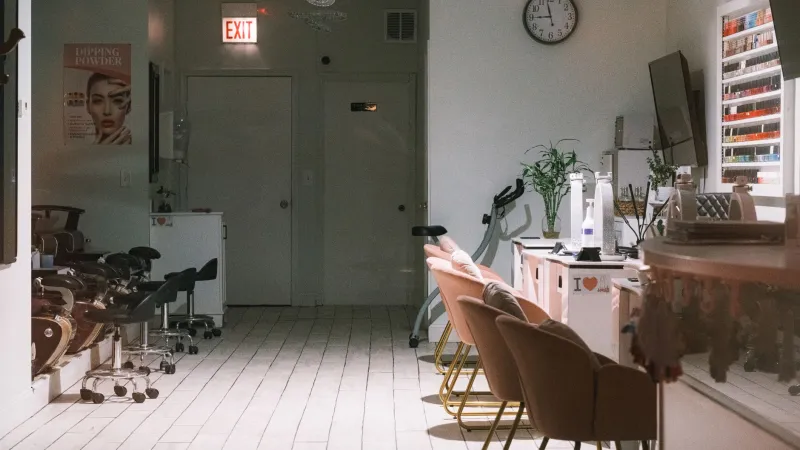
Mixed-use high streets are a familiar feature of UK towns and cities: a salon or dry cleaner at ground level, with flats above or immediately beside it. When extraction is poor, or when a ventilation system discharges at the wrong height or in the wrong direction, residents may notice a persistent chemical smell, a haze of acrylic dust, or a dry-cleaning solvent odour in hallways and living rooms. The effects can range from irritation and headaches to a genuine loss of enjoyment of the home.
The legal position is rarely straightforward. A nuisance complaint may engage the Environmental Protection Act 1990, planning controls, the terms of a lease, and potentially a civil claim in nuisance. Each route has a different purpose: environmental health and planning enforcement are principally about stopping or reducing the problem, while a compensation claim is about money. Understanding which lever does what is the first step to a sensible outcome.
What is actually migrating into the flat?
Nail salons commonly use acetone, ethyl acetate and other volatile solvents in polish removers and adhesives, and acrylic systems generate fine dust when nails are filed or drilled. Dry cleaners may use perchloroethylene or newer solvent systems, depending on the plant. These substances behave differently in the air: solvents are gases or vapours that can travel through shared voids, gaps around pipes, or open windows, while dust is particulate and may settle on surfaces or be drawn into flats by pressure differences.
The practical consequence is that a single extractor fan or open door can create a pathway. A salon that is compliant on its own premises may still cause a problem next door if the discharge point is poorly located or if the building's fabric allows air to migrate. This is why photographs of dust on windowsills, or a log of odour episodes, matter: they help identify the pathway as well as the source.
Statutory nuisance and the environmental health team
Under section 79 of the Environmental Protection Act 1990, local authorities have a duty to investigate complaints of statutory nuisance. The relevant categories can include fumes or gases emitted from premises so as to be prejudicial to health or a nuisance, and dust, steam, smell or other effluvia arising on trade or business premises. A nail bar or dry cleaner is a business premises, so the dust and effluvia limb is often the more natural fit.
The first step is usually to contact the environmental health department of the local authority. Officers can assess whether the problem is sufficient to amount to a statutory nuisance, often using a mixture of site visits, diaries and sometimes monitoring. If they are satisfied, they may serve an abatement notice requiring the business to take steps to stop or reduce the nuisance. Failure to comply can lead to prosecution.
There are limits. Environmental health teams are stretched, and they must apply a legal test rather than a standard of perfect air quality. Intermittent odours are harder to prove than a constant, visible dust problem. Officers also generally focus on the premises causing the nuisance, not on awarding compensation to the complainant.
Planning conditions and ventilation: often the quicker lever
Many salon and dry-cleaning premises operate under planning permission that includes conditions about extraction and ventilation. A condition might require an odour control system, a minimum discharge height, or regular maintenance. If the business is breaching a condition, the local planning authority can investigate and, in serious cases, take enforcement action.
Planning enforcement is discretionary, and councils prioritise the most serious cases. It is not a compensation mechanism. But it can be effective where the problem is fundamentally about the design or siting of an extraction system. Residents can help by identifying the planning permission, checking the conditions, and providing dated evidence of breaches. A request under the Freedom of Information Act 2000 can be used to obtain planning records, although responses can take time.
Licensing is a further consideration, but its relevance varies. Some local authorities license special treatments or skin-piercing activities; nail bars are not always caught. Dry cleaners may require an environmental permit for solvent emissions, regulated by the local authority. Where a permit exists, breaches can be reported to the regulator. Residents should check the council's website or ask environmental health which regime applies.
Building a credible evidence log
A useful evidence log does not need to be elaborate, but it should be consistent. Record the date, time, duration and intensity of each episode, and note which rooms were affected. Describe the smell or dust in plain terms, and note any symptoms such as headaches, eye irritation or coughing, along with whether they resolved when you left the flat.
Photographs and short videos can capture visible dust or haze, but they should be dated and, where possible, geotagged. Keep receipts for any cleaning or replacement items if you intend to claim them as losses. If you have a low-cost volatile organic compound monitor, treat readings as indicative rather than definitive; they can support a narrative but are not a substitute for professional monitoring. Witness statements from neighbours or visitors can be valuable, particularly if they corroborate the timing and frequency of episodes.
Medical evidence is relevant if you are alleging a health effect, but it should be handled carefully. A GP record noting symptoms and the dates they occurred is more useful than a general assertion. Do not stop using part of your home without recording why; a diary entry explaining that a bedroom was unusable because of fumes is more persuasive than a later recollection.
What compensation is realistic?
A civil claim in private nuisance is possible where the emissions substantially and unreasonably interfere with the use and enjoyment of the home. Damages are typically modest unless there is significant health impact, property damage, or a long-standing loss of use. The court may also grant an injunction requiring abatement, but litigation carries costs risk and should be a last resort.
The limitation period is generally six years in England and Wales for nuisance claims, and five years in Scotland, but time can run from when the nuisance began or from each recurrence. This is a simplification; legal advice should be taken promptly if a claim is contemplated. In practice, many residents find that environmental health action, planning enforcement or negotiation with the landlord or business achieves a faster result than a damages claim.
A practical sequence
Start with a dated diary and a polite written approach to the business, copied to the landlord if you rent. Report the matter to environmental health and, separately, ask the planning department whether any ventilation conditions apply. If the problem continues, keep the log updated and ask the council what action it intends to take. Only after those routes have been explored should a compensation claim be considered, and then with a solicitor who can assess the evidence and the likely costs.
The underlying point is that not every clean-air problem is best framed as a claim for damages. In mixed-use buildings, the most realistic outcome is often a better extraction system, a changed discharge point, or a maintenance regime. Compensation may follow, but abatement is usually the priority.